Spiritual Sites of Kashmir

Spiritual Sites of Kashmir showcase the region’s rich religious diversity and centuries-old traditions. From majestic mosques and Sufi shrines to ancient Hindu temples and serene Buddhist monasteries, Kashmir offers travelers a chance to explore faith, architecture, and culture in one journey.
Visitors can witness rituals, participate respectfully in ceremonies, and admire architectural marvels while understanding the spiritual and cultural significance of each site. These sacred spaces are intertwined with Kashmir’s history, natural beauty, and community life.
📍 Location Details
- Region: Kashmir Valley, Jammu & Kashmir
- Major Cities: Srinagar, Anantnag, Baramulla, Pahalgam
Kashmir’s spiritual sites are spread across towns and villages. Most are accessible by taxi, local buses, or private vehicles, and many are located near scenic landscapes for immersive experiences. Pilgrimage trails, lakesides, and hilltop shrines enhance the travel journey.
✨ Major Spiritual Sites of Kashmir
Jamia Masjid
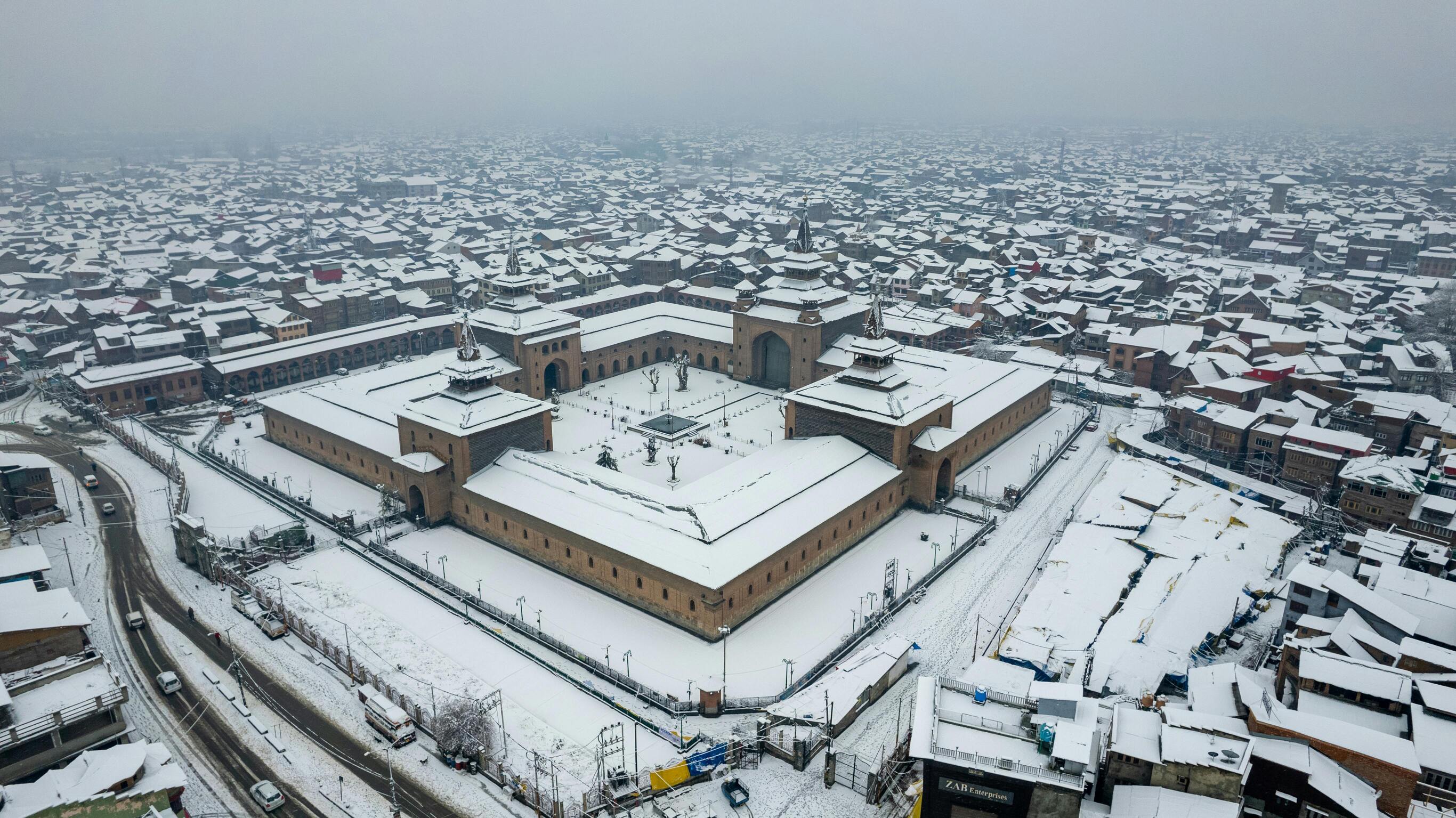
Built in the 14th century in Srinagar, Jamia Masjid is a stunning example of Indo-Saracenic wooden architecture, featuring 378 carved wooden pillars and intricate detailing. The mosque stands as a central place for worship and cultural gatherings in the heart of the old city. Its vast courtyard and beautifully carved interiors create a serene environment for visitors seeking spiritual tranquility.
During major festivals like Eid, the mosque becomes the hub of community celebrations. Tourists can attend prayers, admire its architectural brilliance, and learn about its historical significance while experiencing the calm ambiance of one of Kashmir’s most iconic Islamic monuments.
Shah-e-Hamadan Shrine

Dedicated to the Sufi saint Mir Syed Ali Hamadani, this shrine is a center of spiritual learning and devotion in Srinagar. Its Indo-Islamic architectural style, peaceful courtyards, and detailed embellishments reflect the region’s Sufi heritage. Pilgrims and visitors come to experience the spiritual serenity and observe daily rituals performed with devotion.
Tourists can attend Sufi music sessions, observe traditional prayers, and gain insights into the saint’s teachings. The shrine offers a deeper understanding of Kashmir’s Islamic culture and the historical spread of Sufism in the valley, making it a must-visit spiritual site.
Hazratbal Shrine

Located on the scenic banks of Dal Lake, Hazratbal Shrine houses a relic believed to be the hair of Prophet Muhammad. Its pristine white marble structure and elegant design make it a spiritual and architectural landmark. The calm lakeside surroundings enhance the sense of tranquility for visitors seeking reflection and prayer.
The shrine is particularly significant during religious events and attracts large gatherings. Tourists can witness prayers, learn about Islamic traditions in Kashmir, and enjoy the serene views of Dal Lake, creating a spiritually and visually enriching experience in the heart of Srinagar.
Khanqah-e-Moula

Khanqah-e-Moula is a historic Sufi shrine in Srinagar renowned for its carved wooden minarets and peaceful ambiance. The site serves as a spiritual hub where daily prayers, Sufi music, and community gatherings take place, reflecting the rich Islamic and Sufi traditions of Kashmir.
Visitors can admire the intricate architecture, observe religious practices, and engage with local devotees. The shrine provides insight into the cultural and spiritual heritage of the region, showcasing centuries of devotion and Sufi artistry in an environment that encourages reflection and reverence.
Shankaracharya Temple

Perched on Shankaracharya Hill overlooking Srinagar, this ancient Hindu temple is dedicated to Lord Shiva. The temple’s hilltop location provides panoramic views of Dal Lake and the surrounding valley, combining spiritual devotion with breathtaking scenery. Pilgrims perform rituals while tourists can observe ceremonial practices and soak in the serene environment.
The temple’s historical significance and architectural elegance make it a key site for understanding Hindu traditions in Kashmir. Visitors can explore the temple complex, learn about its origins, and participate respectfully in prayer and meditation sessions.
Martand Sun Temple

The 8th-century Martand Sun Temple near Anantnag is a remarkable example of pre-Islamic Hindu architecture. Though partially ruined, the temple’s stone carvings, courtyards, and structural designs showcase the artistic and religious heritage of the region. It was originally dedicated to the Sun God and served as an important spiritual center.
Tourists can explore the ruins, photograph the intricate stonework, and enjoy panoramic views of the surrounding landscape. Visiting the temple provides insight into Kashmir’s ancient Hindu civilization and the architectural ingenuity of early Kashmiri builders.
Kheer Bhawani Temple

Located in Tulmul village, Kheer Bhawani Temple is dedicated to Goddess Ragnya Devi and is centered around a sacred spring. The temple is an important pilgrimage site for Kashmiri Hindus, particularly during annual festivals, when devotees gather to perform rituals and offer prayers.
Visitors can respectfully observe these ceremonies, enjoy the peaceful surroundings, and experience local traditions. The temple’s spiritual ambiance, cultural significance, and natural beauty make it a must-visit destination for anyone interested in Kashmir’s Hindu heritage.
Buddhist Monasteries

Buddhist monasteries near the Kashmir-Ladakh border preserve centuries-old stupas, meditation halls, and murals. These monasteries serve as centers for religious study, meditation, and cultural preservation, offering a serene retreat from the bustling valley.
Visitors can participate in meditation sessions, witness daily rituals, and admire intricate murals depicting Buddhist teachings. The monasteries provide insight into Kashmir’s Buddhist heritage, spiritual practices, and Himalayan cultural influences, creating a peaceful and contemplative travel experience.
🏞 Cultural Experiences at Spiritual Sites
Travelers can:
- Witness Islamic prayers, Sufi music sessions, and rituals in shrines and mosques
- Explore Hindu temple ceremonies and festivals
- Participate in meditation and teachings at Buddhist monasteries
- Learn about architecture, motifs, and religious history
- Purchase spiritual souvenirs like prayer beads, holy texts, and handcrafted items
- Capture photographs of sacred architecture, rituals, and scenic landscapes
🍴 Food & Local Cuisine Nearby
Kahwa: Traditional Kashmiri green tea brewed with saffron strands, cardamom pods, and blanched almonds, offering a warm, aromatic drink that complements visits to spiritual sites and religious gatherings.
Bakarkhani & Noon Chai: Enjoy flaky, slightly sweet Bakarkhani bread with creamy, salted Noon Chai (pink tea), commonly served near mosques, shrines, and temples for an authentic Kashmiri experience.
Festival & Temple Sweets: Sample traditional sweets like Phirni, Shufta, and other local delicacies prepared during temple fairs, Eid, or special religious events, providing a taste of Kashmir’s rich culinary heritage.
Dry Fruits & Seasonal Snacks: Fresh almonds, walnuts, pistachios, apples, and other seasonal snacks are available at local markets near spiritual sites, perfect to enjoy on the go or as gifts from Kashmir.
🌱 Cultural & Ethical Significance
- Respect prayer times and rituals
- Dress modestly, covering head and shoulders at sacred sites
- Support local artisans by buying authentic souvenirs
- Avoid littering and maintain sanctity of holy sites
- Engage respectfully with locals to learn about traditions and beliefs
🚕 Travel Tips
- Plan Visits Early: Morning is best for fewer crowds and peaceful experiences
- Carry Cash: Small stalls near temples and shrines may not accept cards
- Ask for Guided Tours: Some shrines and temples offer guided explanations of history and rituals
- Photography Etiquette: Always ask before photographing worshippers or ceremonies
- Combine With Sightseeing: Many sites are near scenic spots like Dal Lake, Shankaracharya Hill, and gardens
❓ Frequently Asked Questions
What are the major spiritual sites of Kashmir?
Jamia Masjid, Shah-e-Hamadan, Hazratbal Shrine, Khanqah-e-Moula, Shankaracharya Temple, Martand Sun Temple, Kheer Bhawani Temple, and Buddhist monasteries.
Are tourists allowed in religious sites?
Yes, most sites welcome visitors, but respect for local customs, rituals, and dress codes is required.
Where is Jamia Masjid located?
In the heart of Srinagar’s old city, accessible via local transport.
Can I visit high-altitude Buddhist monasteries in Kashmir?
Yes, summer months (June–August) are ideal. Winter access may be restricted due to snow.
Are guided tours available?
Yes, many mosques, temples, and monasteries provide guided explanations of history, rituals, and architecture.
Is photography allowed?
Permission should be sought before photographing people, prayer rituals, or sacred interiors.
What is the best time to explore spiritual sites in Kashmir?
Spring and summer provide pleasant weather, scenic views, and easier access to both valley and high-altitude sites.